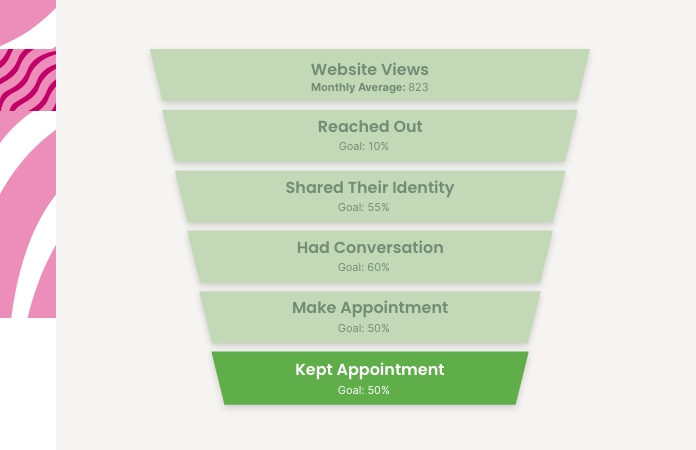
A scheduled appointment only creates impact if the client actually walks through your doors. Appointment kept rates are often one of the clearest indicators of how well a center's marketing, communication, scheduling, and follow-up processes are working together.
Strong appointment kept rates typically indicate that clients are being scheduled quickly, communicated with consistently, and supported throughout the process. Low show rates often point to opportunities for improvement earlier in the journey.
The following checklist is organized from highest to lowest impact, while also considering ease of implementation. Centers looking for the biggest return on their time should focus on the items near the top of the list first.
1. Maintain Consistent Appointment Reminders
Life gets busy. Even highly interested clients can forget appointments, lose track of time, or struggle to find your location.
Best Practices
- Send an appointment confirmation immediately after scheduling along with additional reminders the day before and approximately one to two hours before the appointment.
- Include your center's address, phone number, and a Google Maps link in reminder messages whenever possible. If your location may be difficult to find, consider including parking instructions or additional directions.
- Make it easy for clients to ask questions or notify your center if they need to reschedule.
- HopeSync has the ability to set up and send automatic text reminders before appointments. Even though most centers utilize software such as Cool Focus or Ekyros to manage appointments once they are scheduled, centers report appreciating HopeSync’s customizable options.
Why It Matters
Many no-shows are not intentional. Simple reminders can often prevent appointments from being missed.
2. Follow Up Quickly on Missed Appointments
A missed appointment does not always mean lost interest.
Many clients who miss appointments still intend to receive services but encounter unexpected barriers such as transportation, childcare, work schedules, or anxiety about attending.
Best Practices
- Reach out immediately when an appointment is missed, especially for AM/AD.
- For AM/AD clients, offer the next available appointment the same day or the following day whenever possible.
- Continue outreach attempts multiple times if no response is received. Many centers find that several follow-up attempts, even up to four attempts, are often necessary before reconnecting with a client.
Why It Matters
The first few hours after a missed appointment often provide the best opportunity to reconnect.
3. Reserve Flexibility for High-Priority Reschedules
Not all missed appointments carry the same level of urgency.
AM/AD clients often require immediate support and may not remain engaged if rescheduling requires a long wait.
Best Practices
- Reserve a small number of same-day or next-day appointment opportunities for urgent situations. Building flexibility into your schedule allows centers to quickly accommodate high-priority reschedules.
- Prioritize rapid rescheduling for AM/AD clients whenever possible.
Why It Matters
Clients who are actively making time-sensitive decisions may not be willing to wait several more days after missing an appointment.
4. Post-Appointment Follow-Up Makes a Difference
The Her Journey app is only as accurate as the information entered into HopeSync.
When appointments are completed, the client record should be updated to reflect what actually happened during the visit.
Best Practices
- Update appointment outcomes promptly after the visit.
- Apply appropriate tags like services provided, client outlook, and age within HopeSync.
Why It Matters
Every completed appointment provides valuable information that can help improve future client outcomes.